Traceability: A Key to Enhancing the Value of OCOP and Key Products in the Digital Transformation Era
In the context of increasingly deep international economic integration, consumers' requirements for product quality, safety, and transparency are becoming higher. Consumers are no longer concerned only with product quality; they also want to know where products are made, how they are produced, which unit is responsible, and which quality standards have been applied. Therefore, traceability is becoming an important tool for improving product competitiveness, especially for local key products and OCOP products.
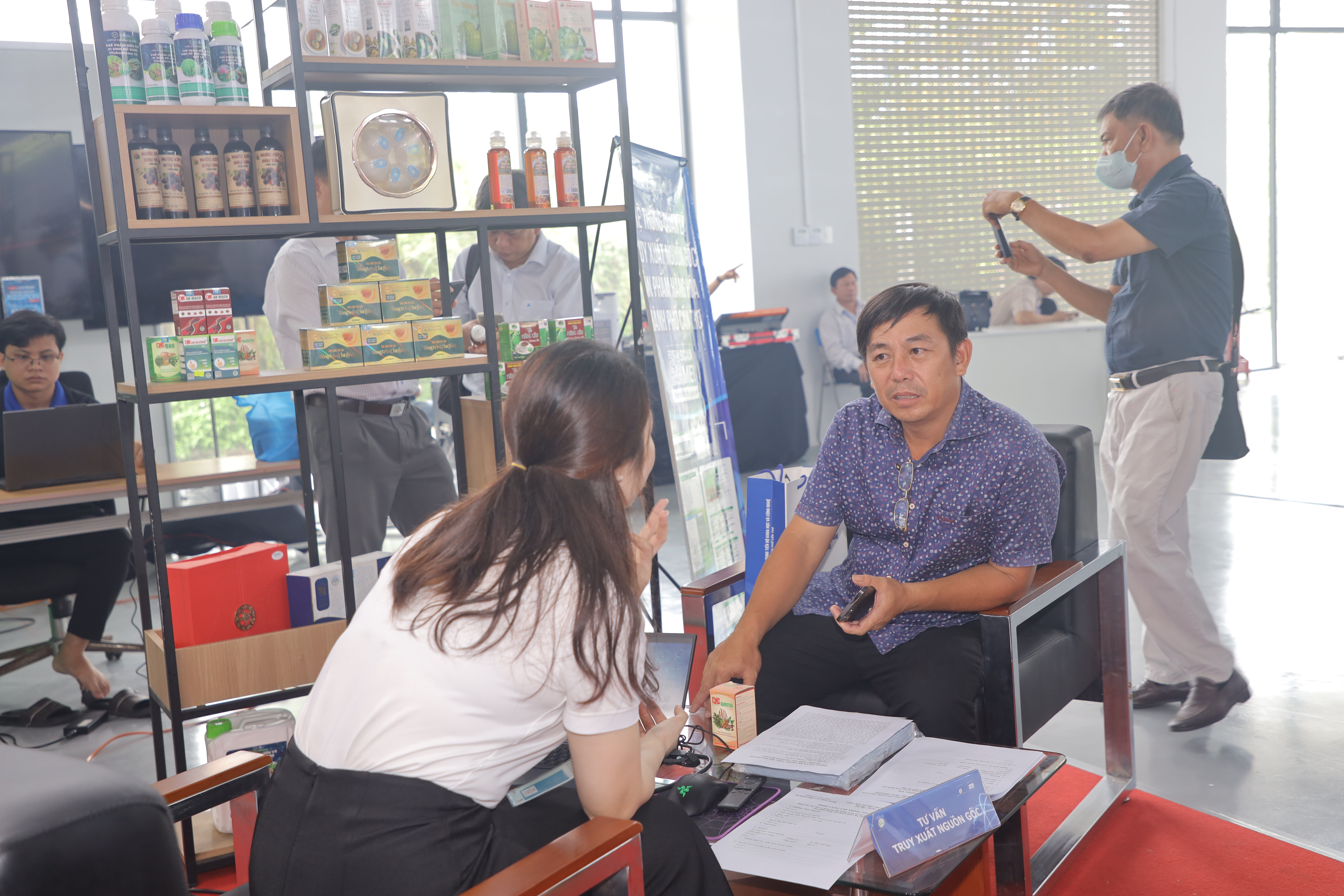
To promote the application of science and technology, innovation, and digital transformation in production and business, Can Tho City organized the event "Connecting Technology Supply and Demand - Key Products and OCOP Products Associated with Traceability in Can Tho City in 2026." This meaningful event created a forum connecting scientists, research institutes, universities, enterprises, cooperatives, and OCOP actors, while promoting the application of traceability technology in quality management, promotion, and product consumption.
Traceability is the process of tracking and identifying the entire journey of a product from production, harvest, processing, packaging, and transportation to the consumer. Through QR codes, barcodes, electronic stamps, and digital platforms, consumers can easily check product information using only a smartphone. This helps improve transparency, build customer trust, and protect consumer rights.
For OCOP products and key products of Can Tho City, traceability is not only a management tool but also a solution to enhance brand value. When product information is transparent, consumers can easily identify origin, quality, and related certifications. This is an important factor helping local products build market credibility, expand distribution systems, and gradually access major domestic and international markets.
In addition, traceability systems support production facilities, enterprises, and cooperatives in effectively managing production processes. Digitized data helps monitor product quality, control input materials, improve governance efficiency, and meet increasingly strict market requirements. This is also an important foundation for promoting digital transformation in agriculture and agricultural processing.
Can Tho City is currently implementing many solutions to build and develop a product traceability system for the 2026-2030 period, gradually standardizing traceability through codes, barcodes, electronic stamps, and digital platforms. Promoting technology application in traceability helps improve state management efficiency, supports enterprises in developing production and business, and creates favorable conditions for trade promotion and product export.
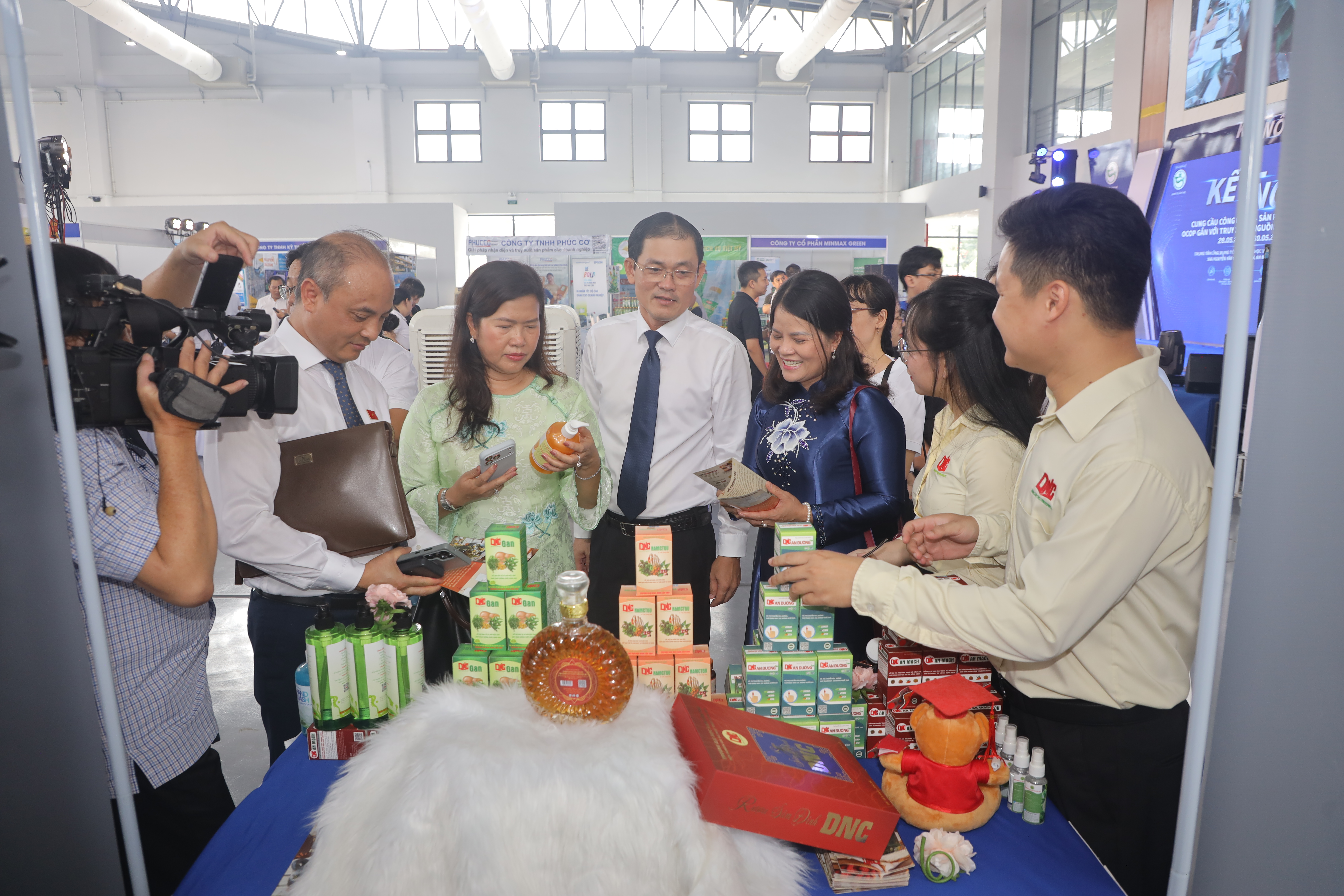
Within the framework of the event "Connecting Technology Supply and Demand - Key Products and OCOP Products Associated with Traceability in Can Tho City in 2026," many new traceability models, solutions, and technologies were introduced to enterprises, cooperatives, and OCOP actors. Workshops, business matching, product displays, and technology consulting activities helped raise awareness of the role of traceability in sustainable product development and opened up many cooperation opportunities between technology providers and production and business establishments.
In the coming period, continuing to promote the application of science, technology, and digital transformation in traceability will be one of the key solutions for improving quality, added value, and competitiveness of Can Tho City's key products and OCOP products. This will contribute to building local product brands, developing a modern and sustainable agricultural economy, and meeting market requirements in the integration era.